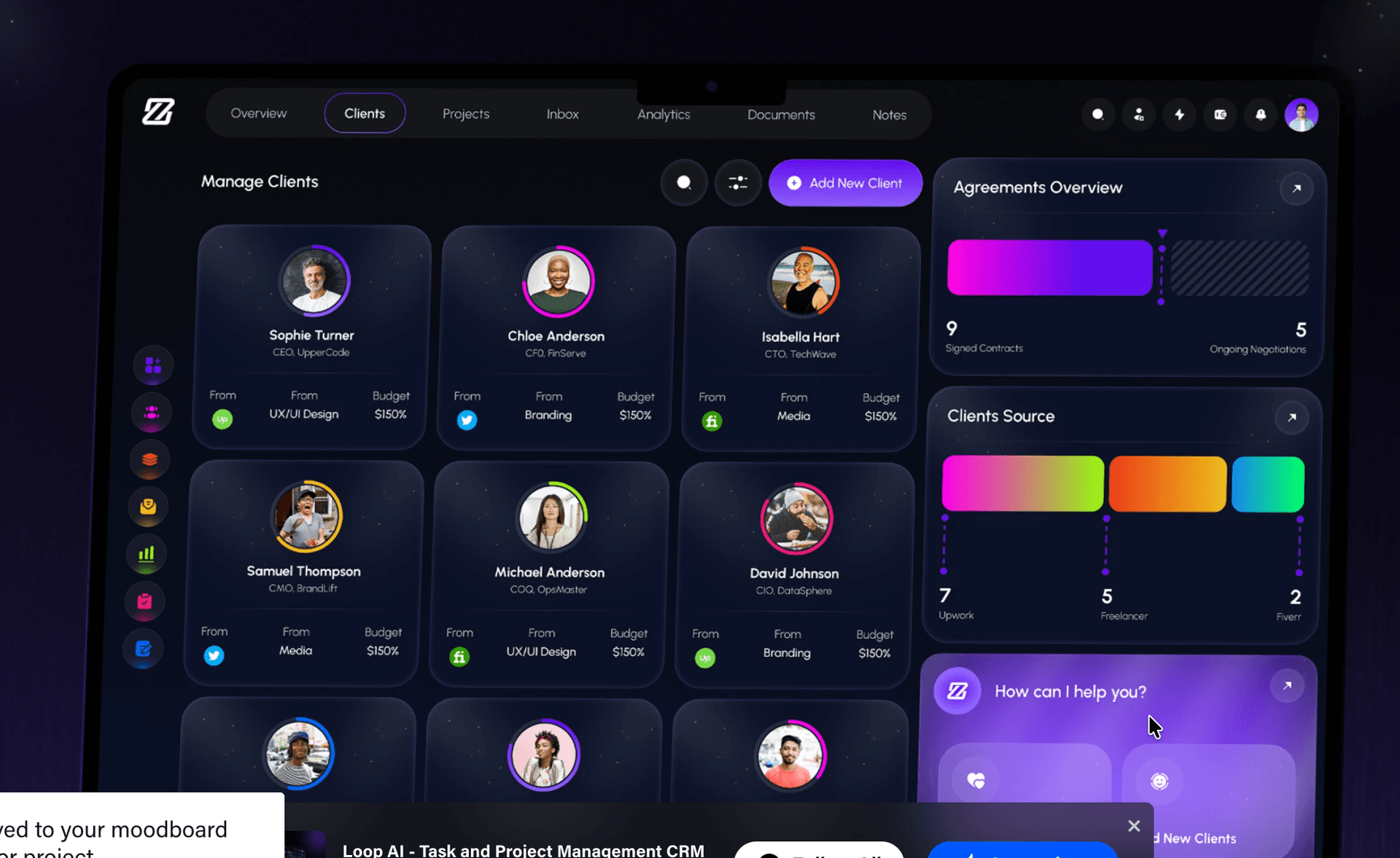
Noor HRMS
One system for workforce operations and HR delivery.
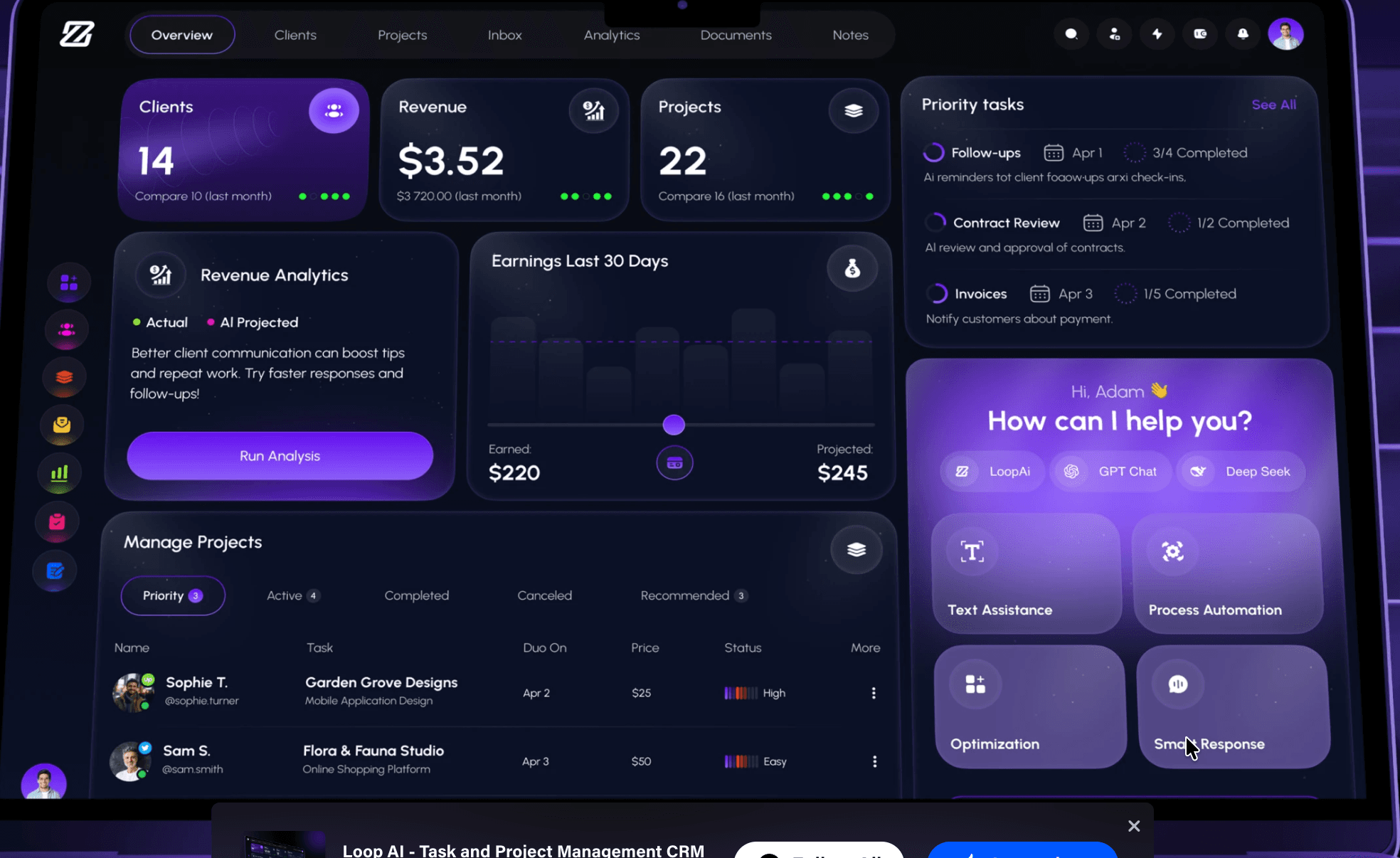
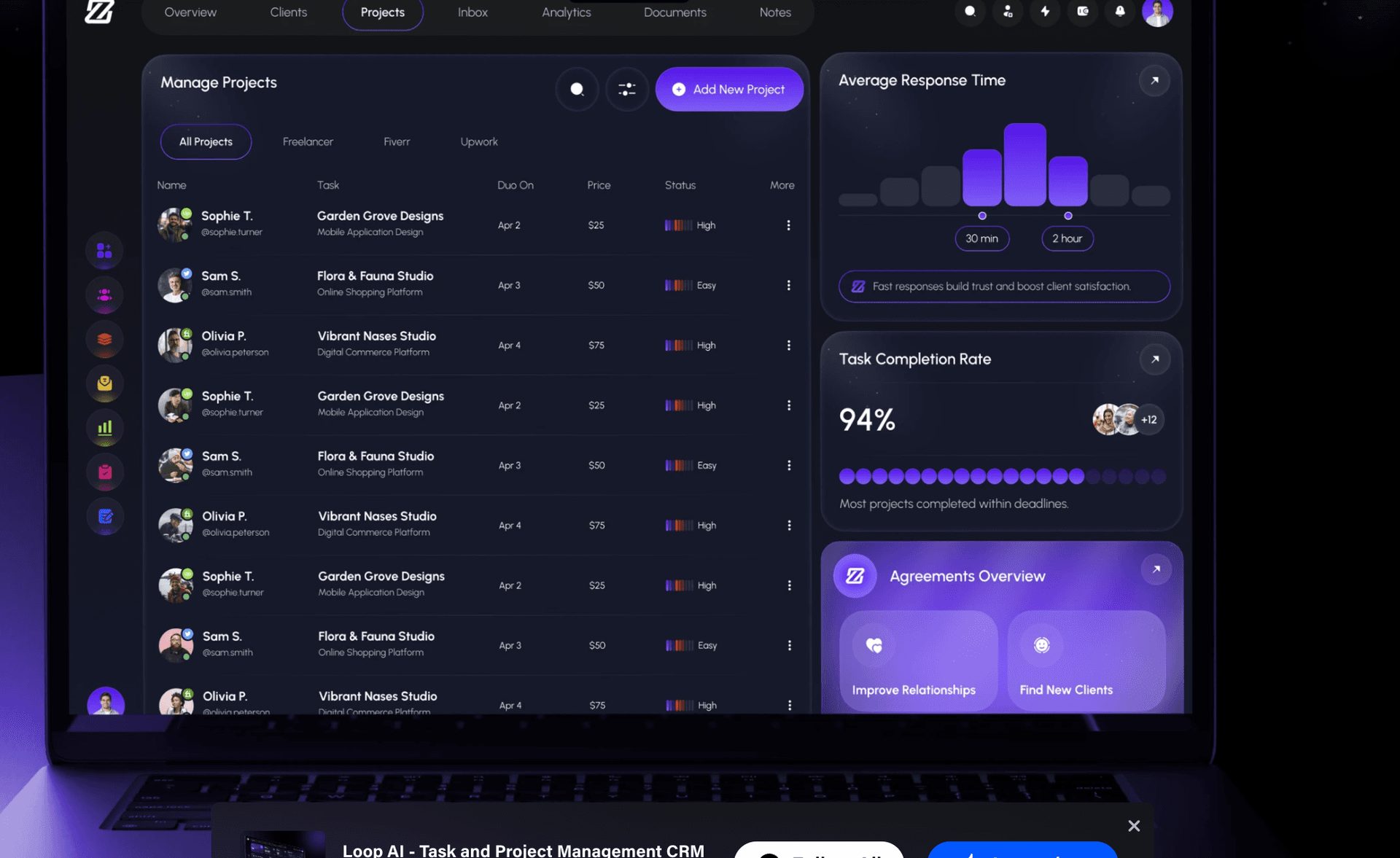
Noor HRMS brings recruiting, employee administration, attendance, leave, documents, assets, payroll inputs, and offboarding into one environment so the work stops fragmenting across disconnected tools.
Built for teams that need cleaner HR execution, better visibility, and less admin drag across the employee lifecycle.
Overview
Designed for the work HR and operations teams actually run.
Noor HRMS is most useful when recruiting, employee records, attendance, leave, documents, assets, and employee exits need to work as one operating system instead of a patchwork of partial tools.
What it covers
The workflow groups inside the platform.
Use these groups to judge operational fit instead of comparing isolated features without workflow context.
Hiring and onboarding
Move from an open role and candidate pipeline into onboarding without rebuilding the process in a separate system.
- Vacancy and application tracking
- Candidate pipeline visibility
- Recruitment-to-onboarding continuity
Employee records and structure
Keep people data, reporting lines, and organizational context in one controlled environment instead of across separate files and admin tools.
- Centralized employee records
- Role and organization data
- Controlled profile management
Attendance, leave, and payroll inputs
Track attendance, shifts, requests, approvals, and payroll-related inputs with less manual reconciliation between teams.
- Attendance and shift visibility
- Leave requests and approvals
- Payroll-related input collection
Documents, assets, and offboarding
Control the records and operational steps that usually become painful during audits, handovers, and employee exits.
- Document storage and access control
- Asset tracking and recovery
- Offboarding and clearance support
Workflow
Where the product reduces coordination and admin drag.
From hiring into active workforce management
Carry the process from open role to onboarding and day-to-day administration without losing continuity between teams.
From daily admin to stronger operational control
Keep attendance, leave, documents, assets, and workforce coordination in one place so teams spend less time chasing status across systems.
Teams
Who usually evaluates fit first.
These are the teams most likely to care about workflow fit, rollout impact, and day-to-day adoption.
HR teams
Review how the platform supports recruiting, employee administration, approvals, and the routine work that keeps people operations moving.
Operations teams
Assess how Noor HRMS improves control over attendance, documents, assets, and workforce coordination across the business.
Leadership and implementation teams
Look at system fit, rollout priorities, and whether the platform reduces operational drag without adding another layer of admin overhead.
Fit
Where it fits best
- Best for organizations that want one connected operating system instead of several partial HR tools
- A strong fit for growing businesses, multi-site teams, service organizations, and enterprises that need better workforce control
- Works well when HR administration, visibility, and day-to-day execution matter as much as feature coverage
Rollout
Rollout considerations
- Identify which workflows matter most first, such as hiring, attendance, leave, employee records, or exits
- Review module fit and sequence the rollout in a practical order instead of trying to switch everything at once
- Use the demo to confirm operational fit before moving into integrations, rollout planning, or wider support
Evaluation
What to evaluate
- Judge Noor HRMS by how well it supports the real work of HR and operations teams, not by isolated feature counts
- Review module fit, admin reduction, and operational visibility together because the value comes from how the workflows connect
- Bring in consultation when the buying decision also depends on integrations, rollout planning, or broader systems alignment
Why teams value it
What stands out when the fit is right.
Built around real admin work
The platform is framed around the routine work teams already handle, so evaluation stays grounded in operations instead of generic software claims.
Useful before the rollout is fully defined
Teams can start with a focused product demo and still bring in support later if rollout, process alignment, or wider systems questions become part of the scope.
Related
Continue exploring.
FAQ
Common questions about Noor HRMS.
What does Noor HRMS cover?
Noor HRMS covers recruiting, employee records, attendance, leave, documents, asset tracking, payroll-related inputs, and offboarding in one operating system. The value is not the module list alone, but the continuity between those workflows.
Who is Noor HRMS best for?
It is best for organizations where people operations are still spread across spreadsheets, inboxes, and partial tools. It is especially useful when HR and operations both need cleaner execution and stronger workforce visibility.
Can we evaluate Noor HRMS without committing to implementation support?
Yes. Start with a product demo if the first question is simply whether Noor HRMS fits the workflow. Bring in consultation when rollout planning, integrations, or wider systems alignment become part of the decision.
How should we evaluate the platform?
Evaluate it against the work your team already runs every week: hiring, approvals, records, attendance, leave, documents, and exits. The key question is whether it reduces admin drag and gives you one clearer operating model.
Next step
See how noor hrms fits your team.
Start with a demo when product fit looks clear. Use consultation when rollout, integrations, or wider systems questions matter.